
WORDPRESS BLOG POST, AGE LESS WEBSITE VERSION

Serving Esquimalt & the greater Victoria area for over 20 years, AGE LESS approaches hair and scalp care as part of a longer Appearance Enhancement strategy, not a one-time reaction to a visible change.
Hair maintenance is a long-term asset
Once you have decided to support your hair and scalp, the next question is not simply, “What treatment should I try?”
The better question is: How will I maintain the best achievable condition of my scalp and hair over the next five, ten, or twenty years?
That shift matters. Hair density maintenance for men works best when it becomes a structured part of personal care, much like dental appointments, strength training, skin care, or preventative health reviews. A single treatment phase may provide an important starting point, but the aging process, stress, lifestyle, seasonal changes, and genetics continue.
Maintenance protects continuity.
It also prevents the common stop-start pattern: noticing a concern, beginning an intensive plan, discontinuing when life becomes busy, then returning only after the change becomes more difficult to manage. Stop-start care often wastes money because each interruption makes it harder to understand what is working and what requires adjustment.
A long-term hair maintenance plan should be practical enough to survive real life.
What changes as you age?
Scalp health as we age reflects more than hair biology. It also reflects circulation, nutrition, sleep, inflammation, hormonal changes, medication use, stress load, and the condition of the skin barrier.
Your hair may respond differently during:
- Periods of sustained professional pressure
- Illness, surgery, or significant weight change
- Major sleep disruption
- Intensive endurance training or high sweat levels
- Seasonal shifts from outdoor cold to indoor heating
- Frequent travel across time zones
- Changes in nutrition or supplementation
- New prescriptions or medical treatment
This does not mean every fluctuation signals progressive hair loss. It does mean that one mirror check cannot tell the full story.
The goal of scalp longevity is to identify patterns early, preserve healthy routines, and make informed adjustments instead of reacting to a single stressful week or an unflattering bathroom light.
Monitor consistently, not emotionally
Photographic monitoring provides a more reliable reference than memory.
A useful system uses the same camera position, lighting, distance, and styling for each photographic Digital Scan. Photographs can include the hairline, temples, crown, top, and side profiles. They should be taken at a consistent interval of 8 weeks rather than every day.
For many men, an in-clinic comparison every eight weeks offers enough information to track treatment progress. We record relevant context alongside each image:
- Recent haircut or change in styling
- Travel or unusual stress
- Illness or disrupted sleep
- Changes in medication or supplements
- Scalp symptoms such as persistent itch, redness, scaling, or tenderness
- Any changes to home care or in-clinic support

Standardization turns perception into useful information. It also helps a clinician distinguish a temporary change in hair presentation from a trend that deserves further assessment.
The existing AGE LESS resource on Hair Loss in Men and Androgenetic Alopecia provides background on common causes and when additional evaluation may be appropriate.
Build your maintenance rhythm around your calendar
A plan that ignores your schedule will fail.
Established professional men often manage demanding quarters, board meetings, travel, family commitments, sport, and extended periods when personal care drops down the list. A realistic rhythm anticipates those pressures rather than pretending they will disappear.
Consider three planning layers:
1. The foundation layer
Keep home care simple and consistent. Use a gentle shampoo suited to your scalp, avoid excessive scratching or aggressive exfoliation, and condition the hair lengths when needed. Heavy product buildup, frequent harsh shampooing, or repeatedly changing products can make it more difficult to understand how your scalp is responding.
Follow the routine recommended for your own scalp and hair type rather than copying another person’s regimen.
2. The support layer
Schedule non-surgical scalp support sessions during periods when you can maintain reasonable consistency. A structured series may be appropriate for some clients, followed by less frequent maintenance sessions. The exact interval depends on the individual plan, scalp condition, treatment response, and any relevant medical considerations.
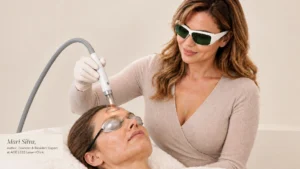
AGE LESS offers low-level laser therapy for hair restoration as a non-surgical option designed to support scalp and hair quality without the downtime associated with surgical procedures.
3. The review layer
Set a formal review point rather than waiting until concern returns. This may coincide with a haircut, quarterly business planning, a birthday, or another recurring event.
During a review, compare standardized photographs, discuss your home routine, identify lifestyle disruptions, and decide whether to continue, reduce, or modify support. The plan should evolve with you.
Prepare for fall and winter
As temperatures fall, Victoria’s outdoor air becomes colder while indoor heating reduces humidity. That combination can leave the scalp feeling tight and the hair itself presenting as more dry or fragile.
A sensible colder-weather approach includes:
- Shampooing according to scalp oil and activity levels rather than automatically washing more often
- Using lukewarm rather than very hot water
- Using professional products designed for your scalp & hair condition that do not leave the scalp or hair irritated or stripped
- Conditioning the hair shafts to reduce dryness and breakage
- Drying the hair more gently or naturally instead of rubbing vigorously with a towel
- Addressing persistent flaking or itch rather than masking it with styling products
- Keeping hats clean and avoiding prolonged dampness under headwear
- Maintaining hydration, adequate protein, and balanced nutrition

Indoor heating may also encourage over-treatment. If your scalp feels dry, adding multiple oils, exfoliants, scrubs, and active products at once can create more irritation, not better care.
Start with the least complicated adjustment that addresses the actual problem.
Support sessions without disrupting professional life
One advantage of a non-surgical maintenance model is flexibility. A scalp support session can be incorporated into a broader schedule without requiring a prolonged recovery period. That makes it easier to plan around travel, sport, and work commitments.
However, convenient does not mean casual. Results-focused care still requires consistency and realistic timelines.
Hair changes occur gradually. A clinician may monitor the condition of the scalp through a sophisticated Scalp and Follicle Magnification Microscope Scan over several months rather than judging the plan after one appointment. Early improvements may relate to hair manageability, scalp comfort, or the visual quality of existing hair. Changes in apparent density require patience as new hair will emerge as soft peach fuzz and gradually thicken as the length increases over months, repeat observation, and a clear understanding of the limits of any non-surgical approach is a must.
No reputable clinic should promise a specific outcome. The objective is to support the best achievable result for your biology and circumstances.

Home care should support, not compete with, clinical care
More products do not automatically create better results.
A long-term routine should be easy to follow on a normal weekday. It should also remain manageable during travel. Pack the essentials, keep product changes controlled, and avoid adding several new variables immediately before an important event.
If you use prescription medication or have experienced sudden, patchy, painful, or inflammatory changes, speak with your physician or an appropriate medical professional. Prescription treatment requires individualized assessment and monitoring. In-clinic Appearance Enhancement services can complement a broader plan.
The strongest approach often combines several levels of support:
- Consistent home scalp care
- Nutrition and lifestyle foundations
- Standardized scalp scanning for consistent tracking
- Appropriate non-surgical in-clinic sessions
- Medical assessment when symptoms or changes warrant it
- Periodic review and adjustment
This is the inside-out/outside-in philosophy in practice. Scalp care does not exist separately from the rest of your health, skin, stress physiology, and daily routine.
The realistic value of a long-term plan
Scalp health is not about trying to look younger. It is about maintaining a healthy, comfortable, well-groomed, appearance as you move through each decade.
That requires an investment of attention, not a promise of perfection.
A long-term plan can help you avoid reactive decisions, identify useful patterns, and make better use of professional support. It can also give you an easier escape hatch: if your schedule becomes demanding, the plan can be reduced and reorganized rather than abandoned completely.
Consistency usually outperforms intensity followed by silence.
AGE LESS takes a bespoke approach rather than placing every client on the same high-volume clinic schedule. A maintenance rhythm is developed around your scalp and hair, lifestyle, goals, comfort, and available time. The purpose is not to add another obligation to your calendar. It is to create a sustainable form of care that remains valuable as your priorities change.
Frequently asked questions
How often should I have Scalp and Hair Photographic Scans performed?
An in-clinic standardized computerised comparison every four to eight weeks is the best way to monitor ongoing shifts. We suggest keeping notes about travel, illness, stress, and product changes so your ongoing treatment results have context.
Can I pause my maintenance plan during a long business trip?
A short interruption may be manageable, but repeated stop-start cycles make progress more difficult to evaluate. Before travelling, discuss how to simplify your home routine and whether an appointment should be scheduled before or after the trip. The goal is continuity, not perfection.
Should my scalp routine change during the colder months?
Possibly. Outdoor cold and indoor heating can increase dryness and irritation. You may need to adjust shampooing frequency, water temperature, conditioning, or product texture. Persistent flaking, pain, redness, or itch requires professional assessment rather than repeated product experimentation.
Can scalp maintenance fit around sports and regular exercise?
Yes, but sweat, headwear, chlorine, and frequent washing can change your scalp’s needs. Shampoo appropriately after heavy activity, avoid prolonged dampness under hats, hats should be sanitized or laundered as appropriate, and use a gentle routine that protects the scalp barrier. Your plan should reflect your actual exercise pattern.
What does a realistic maintenance result look like?
A realistic result typically includes improved scalp comfort, better hair manageability, support for the appearance of existing density, and a more organized response to gradual change. Individual outcomes vary. Maintenance cannot reverse every cause of hair loss or guarantee future density.
When should a scalp change be medically assessed?
Arrange appropriate medical assessment for sudden or patchy loss, persistent inflammation, pain, marked scaling, sores, unexplained shedding, or changes associated with illness or medication. Scheduling a blood panel to check for key mineral deficiencies, an immune system assessment and hormonal evaluations may be a sound medical starting point – to ask your Doctor for. Non-surgical Appearance Enhancement support should sit within a responsible, individualized care plan.
Serving Esquimalt & the greater Victoria area since 2000, AGE LESS Laser+Clinic provides personalized clinical Appearance Enhancement in a calm boutique clinic environment. A consultation can help determine whether a scalp longevity plan is appropriate for your needs, schedule, and long-term goals.